You Have Done Everything Right. So Why Is It Still Not Happening?
You track your cycle. You take your prenatal vitamins. You have cut out alcohol, changed your diet, and read every article the internet has to offer. And still, nothing.
You are not alone. According to the Centers for Disease Control and Prevention, about one in five women in the United States struggles to get pregnant after a year of trying.
The fertility industry's answer is usually the same: more tests, more monitoring, and eventually a conversation about IVF. A single IVF cycle in the U.S. costs between $15,000 and $30,000, according to the U.S. Department of Health and Human Services - and that is just one attempt. I see this repeatedly - women going through two, three, four cycles before anything sticks.
But before you go down that road, there is something you need to know. A naturally occurring compound called myo-inositol has been studied in dozens of clinical trials. The results are hard to ignore - especially if you have been told your egg quality is poor or your hormones are out of balance.
Your body already makes this molecule. Ayurvedic practitioners in India have worked with the foods that contain it for thousands of years. Modern researchers are now measuring exactly why it works.
What Is Myo Inositol and Why Does It Matter for Fertility
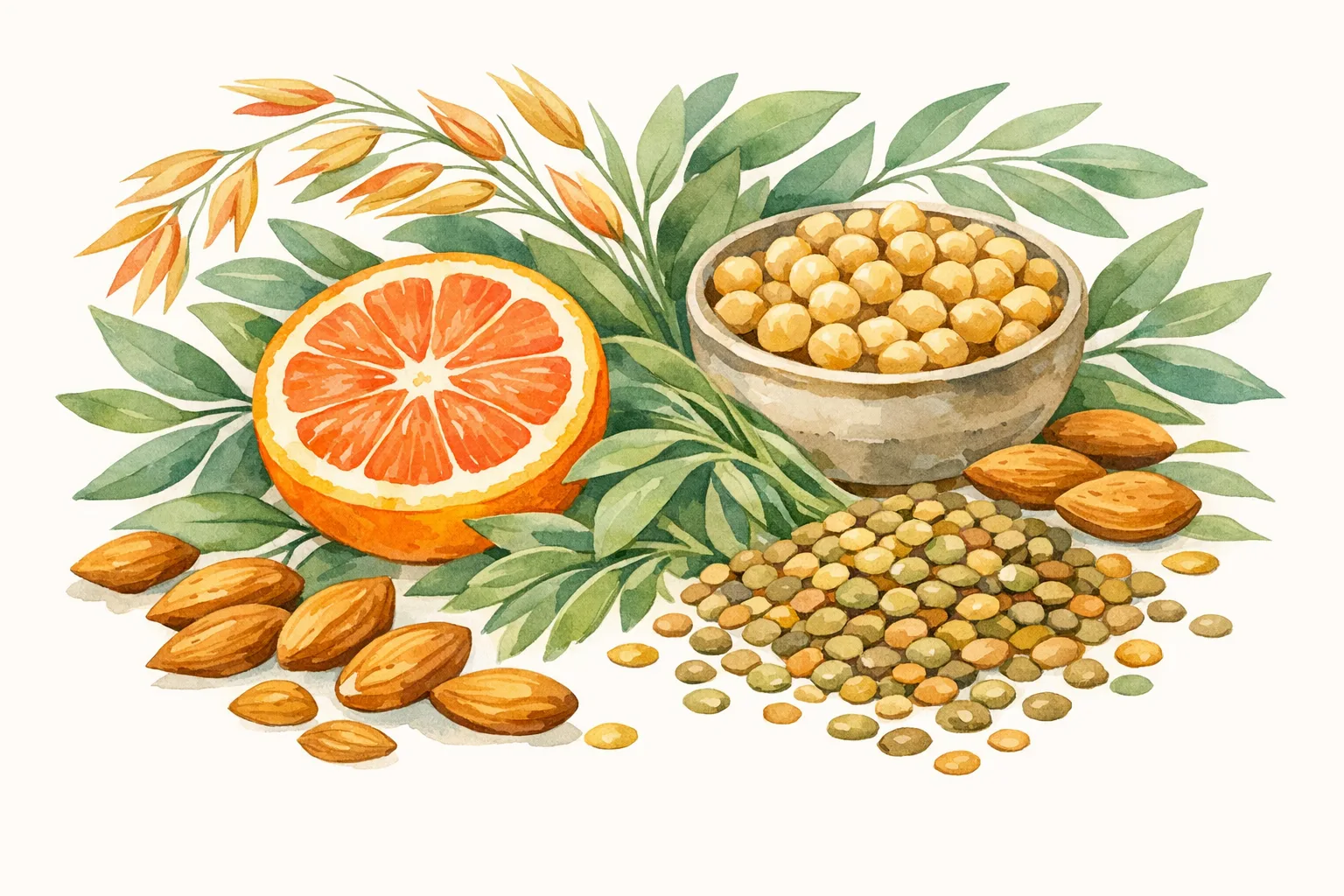
Myo-inositol is a naturally occurring sugar-like compound. Your body produces it from glucose, and you also get it from food. Think chickpeas, lentils, oranges, almonds, oats, and beans.
It is sometimes called vitamin B8, though it is not technically a vitamin. What it actually does is act as a messenger inside your cells.
That messenger role matters enormously for fertility. A review published in the journal Nutrients by Dinicola et al. explains that myo-inositol works as a second messenger for gonadotropins - the hormones that control egg development - and for insulin. When those signals break down, egg development stalls. Cycles become irregular while hormones drift further out of balance.
Your eggs need proper insulin signaling to mature. When insulin resistance is present - as it is in many women with PCOS - the maturation process is disrupted. Myo-inositol helps restore that signal.
Who Is Most Affected by Low Myo Inositol
PCOS - polycystic ovary syndrome - is the most common cause of ovulatory infertility worldwide. It affects roughly one in ten women of reproductive age. Insulin resistance is present in 30 to 40 percent of PCOS cases, according to the review by Merviel et al. in Reproductive Health.
When insulin signals are disrupted, the ovaries produce too much testosterone. That disrupts ovulation, cycles become irregular or stop altogether, and eggs do not mature properly. This is the core of the fertility problem for most women with PCOS.
Myo-inositol addresses that exact chain of events.
Women without PCOS can also have low myo-inositol. Coffee consumption increases the body's need for it, according to a review in the Canadian Journal of Diabetes by DiNicolantonio and O'Keefe. Sugar intake, refined carbohydrates, antibiotics, and aging all reduce the body's ability to retain it. The average American diet provides only about 720 mg per day - well below the 2 to 4 grams used in clinical fertility studies.
What the Research Shows
The clinical evidence for myo-inositol and fertility is substantial.
A double-blind randomized controlled trial published on PubMed (PMC9596930) from Kurdistan University of Medical Sciences found that 4,000 mg of myo-inositol plus 400 mcg of folic acid improved both clinical pregnancy rates and live birth rates in women undergoing IVF. Women in the myo-inositol group also produced more mature eggs and more top-grade embryos.
A meta-analysis published in Medicine (PMID 29245250), which pooled seven clinical trials covering 935 women, found that myo-inositol was linked to significantly improved clinical pregnancy rates and lower miscarriage rates. The same analysis found that women taking myo-inositol needed lower doses of stimulation drugs - and produced fewer damaged eggs.
A second meta-analysis published on PubMed (PMC12413536), which reviewed 17 randomized clinical trials in women with PCOS, found that myo-inositol supplementation increased clinical pregnancy rates by 64 percent compared to placebo. Women taking it also had a 17 percent higher chance of producing top-grade embryos.
A third meta-analysis published in Frontiers in Endocrinology (PMC11968372) found that pre-treatment with myo-inositol improved the rate of mature eggs retrieved in IVF cycles - particularly in women with PCOS.
A randomized trial from Reproductive Biology and Endocrinology (PMC8063404) specifically looked at poor ovarian responders - women whose ovaries react weakly to stimulation drugs. It found that myo-inositol significantly improved fertilization rates and reduced the amount of stimulation drugs needed in this difficult group.
A review in Biology (MDPI) confirmed that myo-inositol concentration in follicular fluid is a direct indicator of egg quality. Higher levels mean better eggs.
One honest note: several reviews, including a Cochrane database analysis, found that evidence on live birth rates specifically remains limited. The intermediate results - egg quality, fertilization rates, ovulation restoration, pregnancy rates - are more consistently positive. The research is promising, not definitive on every measure.
Conventional vs Natural - An Honest Comparison
| Factor | IVF (Conventional) | Myo-Inositol + Ayurvedic Protocol |
|---|---|---|
| Cost per cycle | $15,000 - $30,000 (U.S. Dept. of HHS) | Supplement cost only; no procedures |
| Egg quality in PCOS | Depends on stimulation response | Improved in multiple RCTs |
| Pregnancy rate in PCOS (RCT meta-analysis) | Variable; low AMH patients: 11-16% per cycle (PMC5313363) | 64% higher than placebo (PMC12413536) |
| Invasiveness | Injections, egg retrieval, anesthesia | Oral supplement, dietary change |
| Side effects | OHSS risk, mood effects, physical discomfort | Mild digestive upset at high doses; generally safe |
| Time to see effect | 4-6 weeks per cycle | 3 months (full egg maturation cycle) |
| Addresses root cause | Works around the problem | Addresses insulin signaling at the source |
Some people need IVF. Blocked tubes, severe male factor, certain structural conditions - those situations sometimes require medical intervention. But if your fertility challenge is rooted in ovulation problems, hormonal imbalance, or egg quality - which describes most PCOS cases - there is real evidence that myo-inositol should come before the needle, not after.

The Ayurvedic Approach - Where Myo Inositol Fits
I grew up in Chamba, Himachal Pradesh. My great-grandmother lived to 115. She was the woman the whole village came to for health consultations. My mother works for a women's health nonprofit helping village girls with their cycles and fertility. And among every woman I grew up around, nobody had problems getting pregnant.
What I know now, after living in 100 countries and building a fertility practice in Las Vegas, is that the foods and practices my family followed for generations were rich in exactly what modern research is now measuring. Chickpeas, lentils, sesame, almonds, fresh citrus, whole grains - these are the myo-inositol foods. Fasting. Stress reduction. Clean sleep. Movement. These are not new ideas dressed up in clinical language. They are very old ideas that science is finally catching up to.
In Ayurveda, the mechanism is the same: balance insulin-related pathways, clear excess toxins (called ama), restore hormonal order, and the body returns to its natural function.
The herb Shatavari (Asparagus racemosus), called the Queen of Herbs in Ayurvedic tradition, has been used for female reproductive health for thousands of years. A randomized double-blind placebo-controlled trial published in Frontiers in Endocrinology found that Shatavari reduced follicular count (indicating improved follicular dynamics), increased endometrial thickness (a marker of uterine receptivity), and helped balance hormones in women with PCOS.
Ashwagandha helps reduce cortisol, the stress hormone that directly disrupts ovulation. High cortisol suppresses the hormones needed for egg maturation. A review in Medical Sciences Forum confirmed its adaptogenic role in PCOS symptom management.

The Ratio That Matters - Myo vs D-Chiro Inositol
There are nine forms of inositol. The most important two for fertility are myo-inositol and D-chiro-inositol.
In healthy follicular fluid, the ratio of myo-inositol to D-chiro-inositol is approximately 100:1. In plasma, the natural physiological ratio is 40:1.
In women with PCOS, this ratio is severely disrupted. The body over-converts myo-inositol to D-chiro-inositol, leaving the ovaries depleted of the form they need most. This disruption directly impairs egg quality.
A clinical study cited in Fertility Smart found that the 40:1 ratio of myo-inositol to D-chiro-inositol was more effective at restoring ovulation in PCOS women than myo-inositol alone. Taking large doses of D-chiro-inositol alone can actually worsen egg quality - a finding confirmed by CNY Fertility's clinical review.
If you are buying a supplement, look for the 40:1 ratio. More is not better when the ratio is wrong.
What You Can Do Today
You do not have to wait for a clinic appointment to start. Here are concrete steps based on the clinical research.
1. Start myo-inositol at the clinical dose. The dose used in most successful fertility trials is 2,000 to 4,000 mg daily, combined with 400 mcg of folic acid, as confirmed by the double-blind RCT published on PMC9596930. Give it at least 90 days. Eggs take approximately 90 days to fully mature. Results in the first month are often cycle regularity changes. The deeper egg quality improvements take the full three months.
2. Eat myo-inositol rich foods every day. Chickpeas and lentils are among the richest sources. So are oranges, cantaloupe, almonds, oats, and whole grains.
3. Cut the two things that drain it. Coffee directly increases the body's need for myo-inositol, according to the Canadian Journal of Diabetes review by DiNicolantonio and O'Keefe. Sugar and refined carbohydrates also deplete it. Both are worth eliminating because they are directly working against the compound you are trying to restore.
4. Reduce cortisol. Chronically high cortisol blocks the hormonal signals needed for ovulation. This means sleep, real rest, time away from your phone, and whatever practice returns you to calm - walking, yoga, prayer, breathing. Ashwagandha at 300 to 600 mg daily has shown cortisol-reducing effects in double-blind clinical trials.
5. Consider a full protocol, not just a pill. At Omioni in Las Vegas, we restructure your entire life around conception. That means diet, movement, sleep, your home environment, your digital habits, your relationships, and your mental space. The supplement is one piece. The rest of your life is the other pieces. If you want to understand what a full natural fertility program looks like, call 972-282-3930.
When to Consider Each Path
If you have PCOS, irregular cycles, poor egg quality on prior IVF cycles, or unexplained infertility - a 90-day Ayurvedic protocol including myo-inositol is a reasonable first step. It is low risk. The research supports it. And if you later proceed to IVF, you will likely need lower medication doses and produce better-quality eggs as a result.
If you have blocked fallopian tubes, a severe male factor issue, or a structural uterine condition, natural approaches alone are unlikely to be sufficient. Some people do need IVF. Our position is that everyone deserves to know about the natural options before spending tens of thousands of dollars on a procedure with a limited success rate in difficult cases.
A study published in PMC5313363 found that in women with diminished ovarian reserve, IVF clinical pregnancy rates were around 11 to 12 percent per cycle. These women deserve to know that improving egg quality through myo-inositol and a full lifestyle protocol may change those odds before the first cycle even begins.
Frequently Asked Questions
How long does myo-inositol take to work for fertility?
Eggs take approximately 90 days to mature. Most clinical fertility trials run for three months before measuring outcomes. You may notice improved cycle regularity within 4 to 6 weeks, but the deeper effects on egg quality take the full 90-day window. Give it three complete cycles before evaluating the result.
What is the right dose of myo-inositol for fertility?
The most commonly studied dose in successful fertility trials is 4,000 mg per day combined with 400 mcg of folic acid, as used in the double-blind RCT published on PMC9596930. Some trials have used 2,000 mg with similar results. Look for the 40:1 ratio of myo-inositol to D-chiro-inositol, which mirrors the body's natural plasma balance.
Does myo-inositol work if I do not have PCOS?
The strongest evidence is in women with PCOS. But myo-inositol also plays a role in egg maturation for all women. A review published in Nutrients (PMC8227031) found that women whose pregnancies ended in miscarriage had lower myo-inositol levels, and that higher myo-inositol content in follicular fluid was linked to better egg and embryo quality regardless of PCOS status. Women over 35 and women described as poor responders to IVF stimulation may also benefit.
Can myo-inositol replace IVF?
That depends on the cause of infertility. For women whose fertility challenge is rooted in ovulatory dysfunction, insulin resistance, or egg quality - myo-inositol with a comprehensive natural protocol is a well-supported first step. For conditions involving blocked tubes, no sperm, or certain structural problems, IVF or other medical procedures may still be necessary.
What Ayurvedic herbs pair well with myo-inositol?
Shatavari (Asparagus racemosus) is the most studied Ayurvedic herb for female fertility. A trial published in Frontiers in Endocrinology found it improved follicular dynamics and endometrial receptivity in women with PCOS. Ashwagandha helps reduce the cortisol that disrupts ovulation. Turmeric supports insulin sensitivity and reduces ovarian inflammation.
Are there any side effects of myo-inositol?
Myo-inositol has an excellent safety profile. At doses up to 4,000 mg daily, it is generally well-tolerated. Some women report mild digestive upset, especially when starting. Headaches and dizziness have been reported at higher doses but are uncommon. Always discuss any new supplement with your healthcare provider, particularly if you are taking medications that affect blood sugar.
Is myo-inositol the same as Ayurvedic treatment?
No - but it overlaps. Myo-inositol is a single compound found in many foods that Ayurveda has recommended for centuries: lentils, chickpeas, sesame, whole grains, and fresh fruits. An Ayurvedic fertility program includes dietary changes, herbal support, stress reduction, sleep optimization, and environmental adjustments. Myo-inositol supplementation can be one part of that program.
Ready to Start a Real Conversation
Omioni is a natural fertility program based in Las Vegas. We come to your home. We look at your diet, your environment, your stress, your sleep, your relationships, your digital life - everything that either supports or undermines your body's ability to conceive. No procedures. No needles. If you want to understand what it involves and whether it is right for you, call 972-282-3930.
Medical Disclaimer: This article is for informational purposes only and does not constitute medical advice. Myo-inositol and Ayurvedic protocols are not FDA-approved treatments for infertility. Always consult a qualified healthcare provider before starting any new supplement or making changes to your fertility treatment plan. Individual results vary. The research cited represents findings from clinical studies and should not be interpreted as a guarantee of outcome.