You Have Tried. You Are Tired. You Deserve Real Answers.
You have tracked your cycle. You have taken the vitamins. I have sat across from people in waiting rooms who have answered the same questions over and over, cycle after cycle, with nothing to show for it. Maybe you have already spent thousands. Maybe someone handed you a brochure for IVF before you even had a chance to ask questions.
You are not broken. And you are not out of options.
According to the World Health Organization, about one in six people globally experiences infertility. This article will give you real studies, real numbers, and things you can start doing today.
What Conventional Medicine Offers - and What It Does Not Tell You
IVF is a medical procedure where eggs are removed from the body, fertilized in a lab, and placed back into the uterus. It works for some people. But the success rates are lower than most clinics make them sound.
A single IVF cycle in the United States costs between $15,000 and $25,000, according to ovu.com. That does not always include medications, which can add another $3,000 to $7,000 per cycle. For that cost, the live birth rate per natural-cycle IVF is approximately 5 to 15 percent per attempt, according to New Hope Fertility Center. That is not a typo.
Only 20 US states have any form of mandated IVF insurance coverage, according to Maven Clinic. The typical family spends more than a year's salary on a procedure that fails more often than it succeeds.
IUI - a simpler procedure where sperm is placed directly into the uterus - has a success rate of 8 to 12 percent per cycle, according to Liv Hospital. It is cheaper, but still requires multiple attempts and still does not address the root causes of why conception is not happening.
None of this means IVF is wrong. For some people, it is the right path. But everyone deserves to know that other paths exist before committing to that cost and that process.

What the Research Shows
A systematic review published in the journal Cureus in April - conducted by researchers Rathi, Mavi, Shannawaz and colleagues, using PubMed and Scopus databases - looked at 14 studies covering 248 patients, including both men and women. The review found that Ayurvedic management showed improvements in menstrual cycles, hormonal balance, ovulation, natural conceptions, and birth of healthy babies. The conditions where it worked included polycystic ovarian syndrome, tubal blockage, and low sperm count with poor motility.
The researchers also noted that Ayurvedic management may enhance IVF success rates, especially after previous failed attempts. The study acknowledged the sample sizes were small and protocols were not standardized. Larger trials are needed. But the direction of the evidence is consistent and clear.
Stress Is Measured, Not Just Felt
The LIFE Study - a prospective cohort study funded by the NIH, published in Human Reproduction in 2014, led by Dr. C.D. Lynch and colleagues across two US research sites - tracked 501 couples as they tried to conceive. Women with the highest levels of a stress biomarker called alpha-amylase had a 29 percent reduction in the chance of getting pregnant per cycle. That same group had more than double the risk of being classified as infertile.
For someone trying to conceive, stress reduction is not optional. It is part of the treatment.
Ashwagandha and Male Fertility
A double-blind, randomized, placebo-controlled trial published in Evidence-Based Complementary and Alternative Medicine - conducted across five infertility centers in India - enrolled 46 men with low sperm counts. The men took 675 mg per day of full-spectrum Ashwagandha root extract for 90 days.
Sperm count increased by 167 percent, semen volume by 53 percent, and sperm movement showed a 57 percent improvement. All results were statistically significant at p less than 0.0001. The placebo group showed minimal change.
Male factor infertility accounts for approximately 50 percent of all infertility cases, according to a study in JAMA Network Open.
Shatavari and PCOS
Polycystic ovarian syndrome affects about 10 percent of women of reproductive age and is a leading driver of female infertility.
A randomized, double-blind, placebo-controlled trial published in Frontiers in Endocrinology - registered with the Clinical Trials Registry of India under number CTRI//10/074660 - studied 70 women aged 20 to 40 with PCOS over 12 weeks. The women who received Shatavari root extract showed significant reductions in the number of cystic follicles in the ovaries, improved uterine lining thickness, and significantly lower stress scores.
A separate clinical trial published in Food and Nutrition Research found that a standardized Shatavari extract reduced ovarian volume by more than 20 percent, reduced cyst size by more than 40 percent, and reduced follicle count by more than 20 percent in women with PCOS.
The Fertility Diet
The Nurses' Health Study II tracked dietary patterns and fertility outcomes in tens of thousands of women. Higher adherence to a fertility diet pattern was linked to a 66 percent lower risk of infertility due to problems with ovulation, according to findings cited in ASRM 2022 committee guidance.
A separate meta-analysis published in MDPI found that women who followed a Mediterranean diet had pregnancy and live birth rates roughly one-third higher than those who did not.
The Ayurvedic Approach
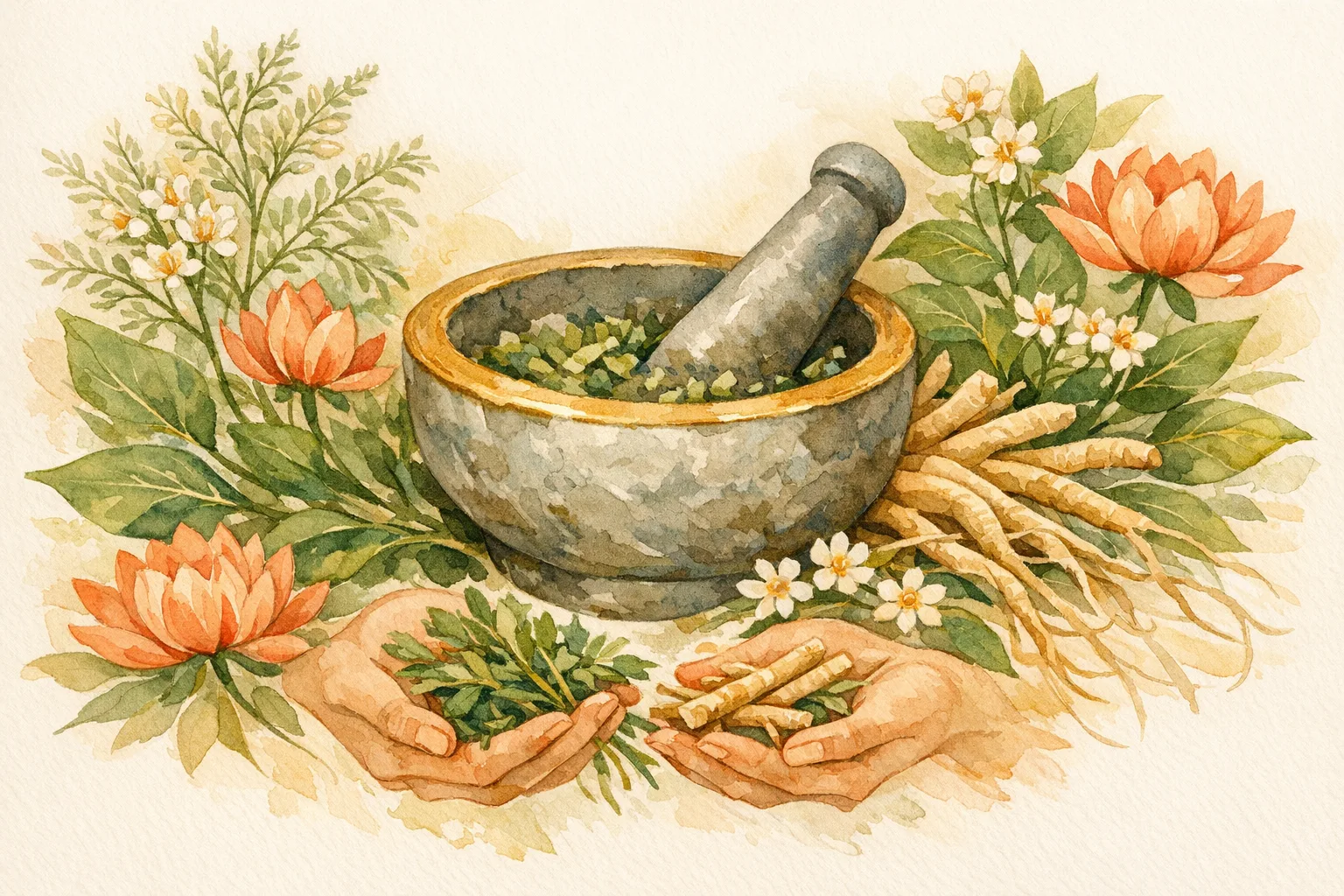
Ayurveda is a 5,000-year-old system of medicine that began on the Indian subcontinent. It treats the whole body - not one symptom at a time.
My great-grandmother lived to around 115 years old. No hospitals. No pharmaceuticals. Just the food, the herbs, and the way of living that had been practiced for generations in Chamba, Himachal Pradesh. In the village where I grew up, nobody had problems getting pregnant. The older women in the community were the first and only consultation for reproductive health.
In Ayurveda, the reproductive system is called Shukra Dhatu - the final and most refined of the seven body tissues. Its quality depends on the quality of every layer before it. If your digestion is broken, if your sleep is disrupted, if your mind is under constant stress, your reproductive tissue will suffer.
The two main treatment frameworks in Ayurveda for infertility are Shodhana and Shamana. Shodhana means purification - clearing toxins and blockages through Panchakarma therapies. Shamana means balancing - using herbal formulations to restore the body's natural rhythms. These treatments work by eliminating blockages in the channels, pacifying imbalanced conditions, and supporting the healthy formation of both egg and sperm.
This is also why the program at Omioni is built the way it is. It is not supplements in a bottle. It is a restructuring of how you live - diet, movement, rest, relationships, environment, and mind - because all of those things directly affect whether your body can do what it is designed to do.
Conventional vs Natural - An Honest Comparison
| Factor | Conventional IVF | Ayurvedic Approach |
|---|---|---|
| Success rate per cycle | 5-15% (natural cycle IVF, New Hope Fertility) | Improvements in hormonal balance, ovulation, and natural conception documented across 14 studies (Cureus, ) |
| Cost per cycle (USA) | $15,000-$25,000 plus medications (ovu.com) | Call 972-282-3930 to discuss |
| Addresses root cause | Bypasses the problem | Works to restore the underlying function |
| Side effects | Hormonal drugs, injections, potential ovarian hyperstimulation | Dietary adjustments, herbal supplements - well tolerated in trials |
| Male fertility included | Typically addressed separately, often overlooked | Both partners treated together as standard |
| Timeline | One cycle is 2-6 weeks per attempt | Typically 90 days for herbs; 3-6 months for full protocol |
| Requires leaving home | Yes - repeated clinic visits, monitoring, procedures | Omioni comes to you |
What You Can Do Today
You do not need to wait for a program to start. Here are the things with the strongest research support that you can begin right now.
1. Reduce the stress in your body - not just your mind
The LIFE Study showed that biological stress reduced the chance of conception by nearly one third. Meditation, breath work, yoga, and removing environmental stressors all lower the stress hormones that interfere with ovulation and implantation.
2. Change what you eat
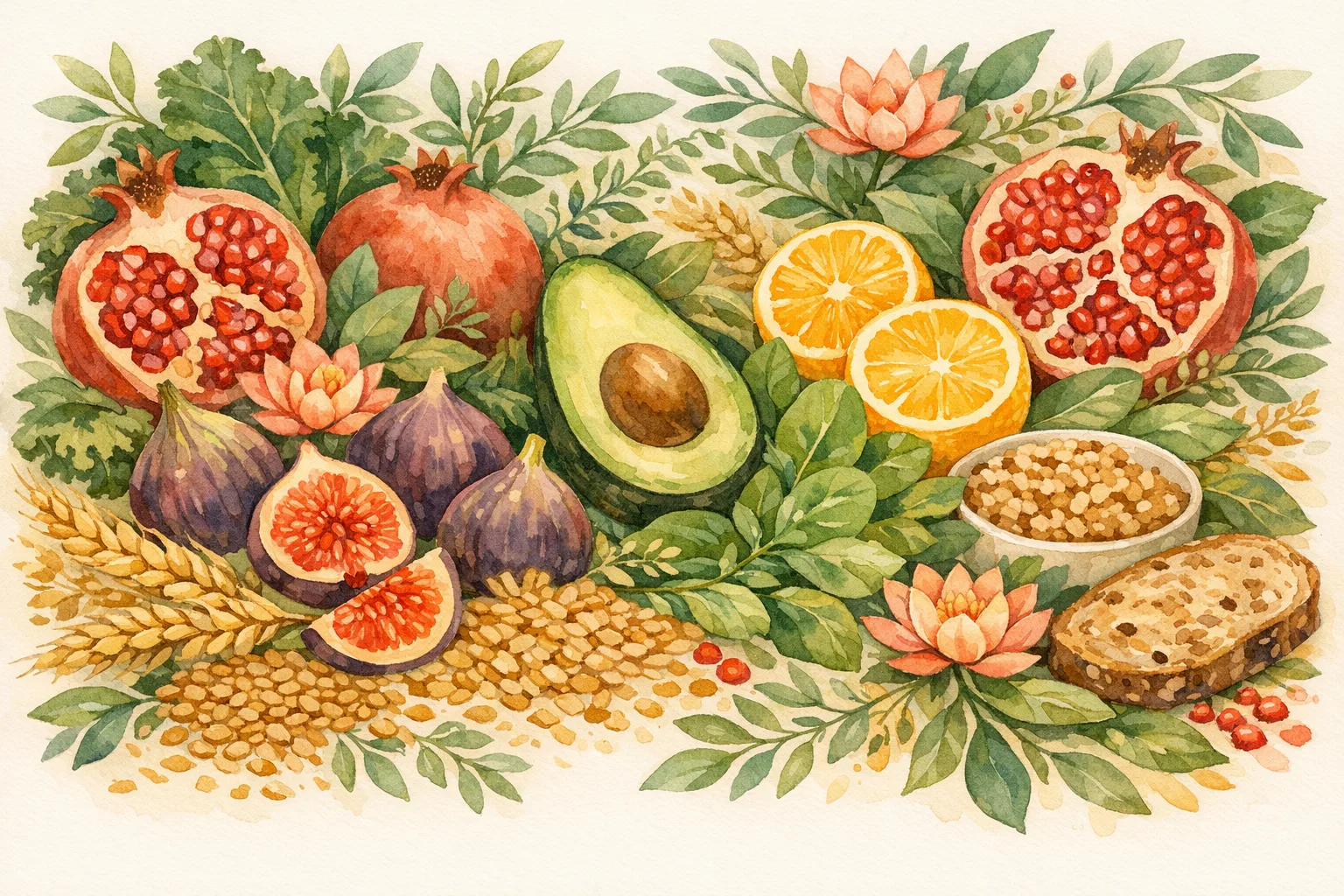
Move toward a diet high in vegetables, fruits, whole grains, and healthy fats. Move away from processed food, refined sugar, and trans fats. The Nurses' Health Study II linked this shift to a 66 percent reduction in ovulatory infertility.
3. Start folic acid
The World Health Organization recommends 400 micrograms of folic acid daily from the moment you begin trying to conceive. This is one of the most evidence-backed steps in fertility preparation and it costs almost nothing.
4. Have your partner looked at
Male factor infertility is involved in half of all cases. The Ashwagandha trial showed a 167 percent increase in sperm count in 90 days. If your partner has not had a semen analysis done, that is the first step.
5. Know your fertile window
According to the American College of Obstetricians and Gynecologists, the fertile window is approximately 6 days - the 5 days before ovulation and the day of ovulation itself. Research from the British Fertility Society shows the chance of pregnancy is 26 percent when intercourse happens 2 days before ovulation. It drops to around 1 percent one day after.
6. Look into Shatavari if you have PCOS
The trial published in Frontiers in Endocrinology found that Shatavari root extract over 12 weeks significantly reduced ovarian cysts, improved uterine lining thickness, and lowered stress. Talk to a qualified practitioner about the right form and dose.
7. Protect your sleep
Disrupted sleep changes the hormones that control your cycle. A study from Guangzhou found that longer sleep duration was positively linked to the chance of conception per cycle. Going to bed and waking at consistent times is part of reproductive medicine.
When to Consider Each Path
Ayurvedic fertility care is a strong first choice if you are under 40, have been trying for less than 2 years, have no diagnosed structural blockage, or have received a diagnosis of PCOS, unexplained infertility, or hormonal imbalance.
IVF may be the right choice if you have confirmed blocked tubes that cannot be addressed naturally, a severe sperm count issue that has not responded to other interventions, or a medical history that makes natural conception structurally unlikely.
For most people who are struggling - but have no hard structural barrier - a 90-day Ayurvedic protocol is a reasonable and evidence-supported first step. Nobody should spend tens of thousands of dollars on a 5 to 15 percent chance without first trying an approach that addresses the root causes and costs a fraction of that amount.
What Omioni Does Differently
Omioni is an in-home Ayurvedic fertility program based in Las Vegas. We come to you. We restructure the environment you live in, the food you eat, the way you sleep, the stress in your body, your relationship with your partner, and the way you spend your time.
People move to Las Vegas to do this program. It is that different from anything else available.
If you want to understand whether this is right for you, call 972-282-3930.
You can also read more about our approach to Ayurvedic herbs for fertility and how we address PCOS naturally on the Omioni blog.
Frequently Asked Questions
How long does a natural fertility protocol take?
Most Ayurvedic fertility protocols are designed for 90 days. This reflects the natural cycle of egg development, which takes about three months from start to finish. Some people see hormonal improvements within the first four weeks.
Do I have to stop IVF to try Ayurveda?
Not necessarily. The Cureus systematic review found that Ayurvedic management can enhance IVF success rates, especially after previous failed attempts. Many people use Ayurvedic preparation before their IVF cycle to improve egg quality and hormonal balance. Talk to both your reproductive doctor and an Ayurvedic practitioner about what makes sense for your situation.
Is Ashwagandha safe for women trying to conceive?
Ashwagandha has been used in Ayurveda for thousands of years. For women, most practitioners recommend discontinuing Ashwagandha once pregnancy is confirmed, as there is limited safety data during early pregnancy. Consult a qualified Ayurvedic practitioner before starting any herbal supplement.
What is Shatavari and how does it help with PCOS?
Shatavari is a plant called Asparagus racemosus that has been used in Ayurveda for over 3,500 years. It contains compounds called phytoestrogens and saponins that support the hormonal system that controls the ovaries. A randomized controlled trial in Frontiers in Endocrinology found it significantly reduced ovarian cysts, improved uterine lining, and lowered stress scores in women with PCOS over 12 weeks.
Does stress really affect fertility?
Yes, and the research is specific. The LIFE Study tracked 501 couples and found that high biological stress levels were linked to a 29 percent reduction in the chance of conception per cycle and more than double the risk of infertility.
My partner was told his sperm count is low. Can Ayurveda help?
A placebo-controlled trial published in Evidence-Based Complementary and Alternative Medicine found that Ashwagandha root extract increased sperm count by 167 percent, semen volume by 53 percent, and sperm movement by 57 percent in 90 days. Low sperm count is not a fixed condition. In many cases it responds very well to targeted herbal and lifestyle intervention.
What makes Omioni different from other fertility programs?
Omioni is not a clinic. We come to your home. We address every dimension of your life that affects conception - physical, environmental, mental, digital, spiritual, and relational. To understand if the program is right for you, call 972-282-3930.
Ready to take the first step? Call Omioni at 972-282-3930. We will talk through where you are and what a natural path forward looks like for you specifically.
Medical Disclaimer: This article is for informational purposes only and does not constitute medical advice. The information provided is not a substitute for professional medical consultation, diagnosis, or treatment. Always seek the guidance of your physician or a qualified health provider regarding any medical condition or before starting any new health program. Ayurvedic herbs and protocols should be discussed with a qualified practitioner before use, especially during preconception and pregnancy.